
Seasonal Ant Activity and When to Schedule Pest Control Service
Understanding seasonal ant activity and when to schedule pest control helps homeowners protect their property, and local service providers can effectively handle these pest management needs.
Understanding seasonal ant activity and when to schedule pest control service is essential for property owners aiming to keep their homes and outdoor spaces protected. As ant populations tend to fluctuate throughout the year, being aware of their active periods can help prevent infestations before they become problematic. Local contractors who specialize in seasonal ant pest control can provide tailored guidance on the optimal times to implement treatments, ensuring that efforts are both timely and effective. By staying informed about these patterns, property owners can take proactive steps to safeguard their properties and minimize the inconvenience caused by ants.
For those in the area, exploring when ants are most active and planning pest control accordingly can make a significant difference in managing these pests. Seasonal changes often influence ant behavior, making certain times of the year more prone to invasions. Connecting with experienced service providers can help determine the best scheduling strategies to address seasonal ant activity. These local experts can offer insights into the timing of treatments that align with ant life cycles, helping property owners maintain a pest-free environment throughout the year. Keep reading to learn more about how understanding seasonal patterns can support effective pest management.
- Seasonal ant pest control - local service providers can help homeowners prepare for increased ant activity during peak seasons by implementing targeted treatments.
- Spring ant prevention services - local contractors often recommend scheduling pest control before ant colonies become most active in early spring.
- Summer ant management - local pros can assist with ongoing treatments to address heightened ant activity during warm months.
- Fall ant control services - experts suggest scheduling pest control as ant activity begins to decline, preventing overwintering colonies.
- Year-round ant activity monitoring - local service providers can establish ongoing plans to address seasonal fluctuations and maintain ant-free environments.

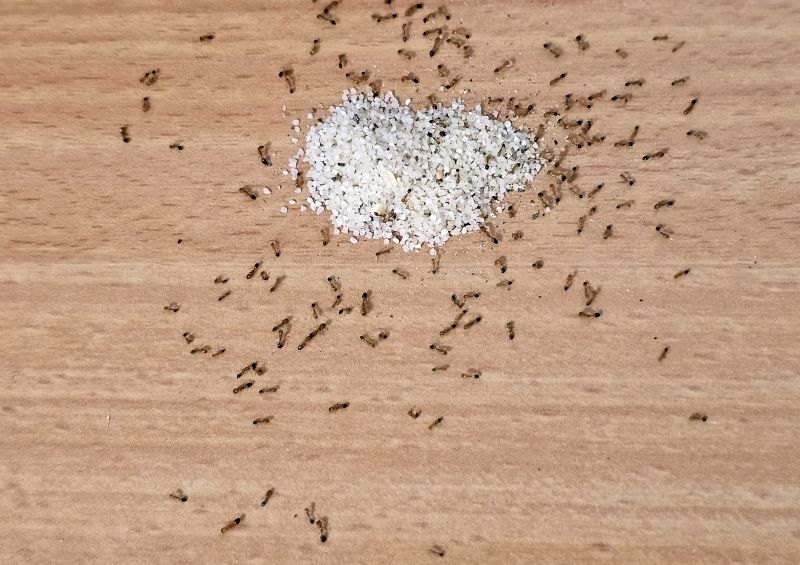

Understanding seasonal ant activity and when to schedule pest control service is a common concern among homeowners dealing with ant problems. Many people search for this topic to learn about the times of year when ants are most active and likely to invade their properties. This knowledge helps them plan preventative measures or schedule treatments before infestations become severe. Typically, the focus is on identifying peak periods of ant activity-such as spring and summer-when warmer temperatures encourage ant colonies to expand and forage more aggressively. Homeowners often want to know whether their property is at increased risk during certain seasons and how proactive pest control can help minimize the chance of ants entering their living spaces.
This topic relates to a variety of property types, including single-family homes, multi-unit residential buildings, and even commercial properties. In residential settings, ant activity can be noticed around kitchens, bathrooms, and entry points like doors and windows. For commercial properties, especially those with outdoor dining or food storage areas, understanding when ants are most active is critical to maintaining hygiene and preventing pest problems. The problems associated with seasonal ant activity often involve unwanted invasions that can lead to unsanitary conditions, damage to property, or simply the nuisance of having ants crawling indoors. Planning pest control around these seasonal patterns helps property owners stay ahead of infestations and maintain a pest-free environment.
Local service providers who specialize in pest control are well-equipped to handle seasonal ant activity and advise on the best times to treat properties. These professionals understand the seasonal patterns specific to their region and can recommend scheduling treatments before ant populations reach problematic levels. They typically perform inspections to identify potential entry points and nesting sites, then apply targeted treatments to disrupt colonies and prevent future invasions. Homeowners and property managers benefit from working with these local contractors because they bring regional expertise and can tailor pest control strategies to the specific seasonal behaviors of ants in the area. Proper timing and professional intervention are key to keeping ant problems manageable and reducing the likelihood of recurring issues.
Home Inspection Services - professionals who perform detailed inspections of properties to identify pest entry points and nesting sites, supporting effective seasonal ant control strategies.
Landscape Maintenance Projects - local contractors who manage yard and garden conditions to reduce ant habitats and improve the effectiveness of pest control timing.
Exterior Pest Barrier Installation - experts who set up physical or chemical barriers around properties, working in coordination with seasonal pest activity patterns.
Rodent Control Services - providers who address common ant and pest co-infestations, ensuring comprehensive protection aligned with seasonal activity cycles.
Drain and Moisture Control Projects - specialists who fix leaks and manage moisture issues, which can influence ant activity and timing of pest control efforts.
Structural Repair Services - contractors who seal cracks, gaps, and entry points that ants use, helping to optimize pest control schedules based on seasonal activity trends.
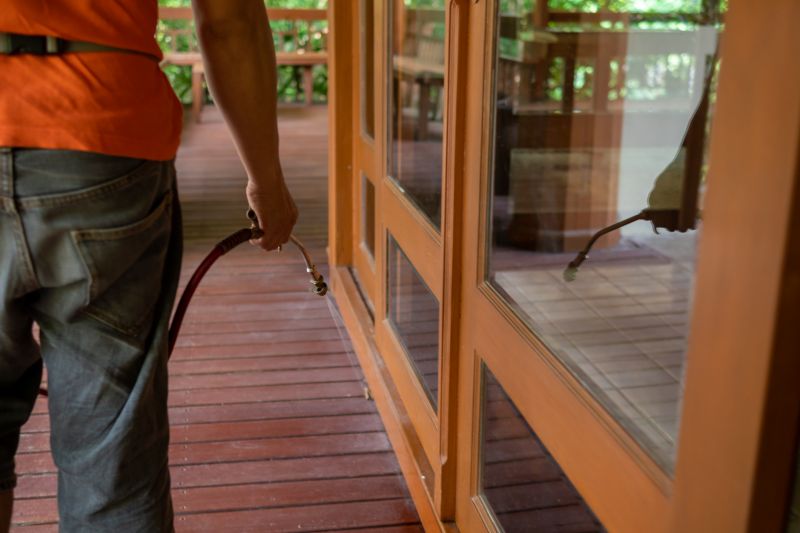
When evaluating local contractors for seasonal ant activity and when to schedule pest control service, it is important to consider their experience with similar projects. Contractors who have handled ant pest control in homes with comparable environments or pest issues are more likely to understand the nuances of seasonal activity patterns and timing. Their familiarity with local ant species and seasonal behaviors can contribute to more effective treatment plans. Additionally, reviewing references or examples of past work can provide insight into their ability to manage seasonal pest challenges effectively and reliably.
Clear written expectations are essential when comparing service providers for seasonal ant pest control. A reputable local contractor should be able to outline what the service will entail, including treatments, follow-up procedures, and any preparations needed before and after the visit. This transparency helps ensure that homeowners understand what to expect and can make informed decisions. Detailed communication about the scope of work also minimizes misunderstandings and sets a foundation for a smooth, cooperative process.
Good communication and reputable references are key indicators of dependable service providers. Contractors who are responsive and willing to answer questions demonstrate professionalism and a commitment to customer satisfaction. Seeking references or reviews from previous clients can reveal how well a contractor communicates throughout the process and whether they have a history of successful seasonal pest management. These qualities can help homeowners feel confident that the chosen service provider will provide consistent, clear guidance tailored to seasonal ant activity and the optimal timing for pest control services.
Property owners often search for seasonal ant activity and when to schedule pest control service when they are planning practical projects around their homes and businesses. Local pros provide Seasonal Ant Pest Control services for everyday jobs and straightforward project options.
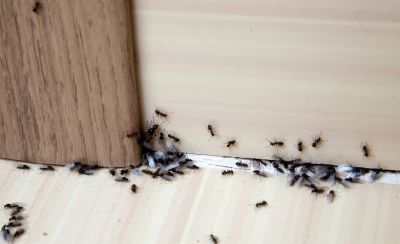

Understanding seasonal ant activity can help property owners better prepare for pest issues throughout the year. As temperatures rise and fall, different types of ants become more active, often seeking food, water, and shelter around homes and structures. Recognizing these patterns can be essential in preventing infestations before they become problematic. Local contractors who specialize in pest control services can assess the timing and extent of ant activity, providing tailored treatments to keep pests at bay during peak seasons.
Scheduling pest control services at the right times can make a significant difference in managing ant populations effectively. Property owners might look into seasonal ant pest control when noticing increased ant movements or early signs of nests forming. Local service providers can offer inspections and treatments designed to target ants during their most active periods, helping to reduce the likelihood of larger infestations later on. Consulting with experienced contractors ensures that pest control efforts align with seasonal activity patterns, supporting ongoing property protection.
When is the peak season for ant activity? Ant activity tends to increase during warmer months and can vary depending on the local climate. Local contractors can monitor seasonal patterns to determine the best time for pest control services.
How do seasonal changes affect ant behavior? Seasonal changes influence ant foraging and nesting habits, often leading to increased activity in spring and summer. Scheduling pest control services during these periods can help prevent infestations.
When should I consider scheduling ant pest control services? The ideal time to schedule services is before ant activity peaks, typically in early spring or late winter, to establish a barrier against colonies. Local service providers can advise on the best timing based on seasonal patterns.
Are there specific seasons when ant infestations are more common? Yes, ant infestations are more common during warmer months when they seek food and nesting sites. Local pros can help identify the optimal time for preventative treatments.
How can I prepare for seasonal ant activity with pest control services? Preparing involves scheduling treatments ahead of peak activity periods and removing attractants around the property. Local contractors can provide tailored recommendations based on seasonal trends.
Identify peak ant activity seasons - property owners can monitor when ants become most active to schedule pest control services from local contractors accordingly.
Plan pest control before ant populations surge - scheduling treatments ahead of expected seasonal activity can help prevent infestations from establishing.
Adjust treatment schedules seasonally - partnering with local pros to time pest control services during specific periods can improve long-term ant management.
Understand ant behavior changes throughout the year - knowing when ants are most likely to forage or nest enables property owners to coordinate with service providers for effective control.
If you are thinking about seasonal ant activity and when to schedule pest control service for a property, this guide is meant to help you understand this topic, the typical project types, and how different options might fit your plans.
When you are ready, you can use the quote form on this page to share a few details about your project. From there, local pros can review the basics and follow up with options that match what you have in mind.