
Get Termite Inspection Service in Houston, TX
Termite inspection services in Houston, TX, help property owners identify and address termite infestations, preventing structural damage in residential and commercial projects.
Property owners in Houston, TX, who are planning renovations, purchasing new property, or simply maintaining their homes may find that a termite inspection is an essential step in safeguarding their investment. Identifying termite activity early can prevent significant damage and help ensure the structural integrity of a property. Exploring options for termite inspection services allows homeowners and property managers to compare local contractors, ensuring they choose experienced professionals who understand the specific challenges of the Houston area.
By reviewing available local service providers, property owners can find reliable termite inspection services tailored to their needs. Whether for routine checks or specific concerns, connecting with experienced contractors can provide peace of mind and help maintain the value of a property. Keep reading to discover how local experts can assist with comprehensive termite inspections and support your property management plans.
- Residential Property Inspection - needed when homeowners suspect termite activity in their Houston, TX, homes or after noticing wood damage.
- Pre-Construction Evaluation - essential before building in neighborhoods like Memorial or The Heights to prevent future infestations.
- Infestation Damage Assessment - required when signs of termites appear in structures in areas such as Katy or Sugar Land.
- Real Estate Transactions - important during buying or selling process in Houston suburbs to ensure property integrity.
- Annual Maintenance Check - recommended for homeowners in residential communities to detect early signs of termite activity.
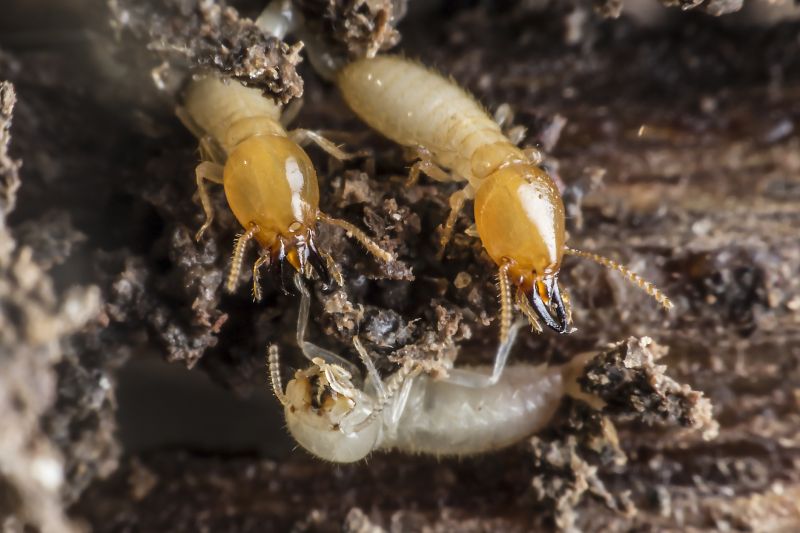
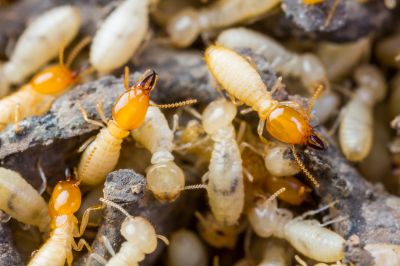

Termite inspection services involve a thorough examination of a property to identify the presence of termites or signs of previous infestations. These inspections typically include a detailed visual assessment of accessible areas such as the foundation, crawl spaces, basement, and wooden structures. Some service providers may also use specialized tools or techniques to detect termites hidden within walls or beneath the surface. Regular inspections can help homeowners catch early signs of an infestation before significant damage occurs, making it easier and more affordable to address the problem.
Termite problems can cause extensive damage to a home’s wooden components, including framing, flooring, and furniture. If left untreated, termites can weaken structural elements, leading to costly repairs or even safety concerns. A comprehensive inspection helps identify active infestations, termite colonies, or areas where wood has been compromised. Detecting a termite issue early allows homeowners to take prompt action, preventing further damage and protecting the property’s value. Service providers can recommend appropriate treatment options based on the inspection findings, whether that involves targeted treatments or ongoing monitoring.
This service is often used for residential properties such as single-family homes, townhouses, and condominiums, especially those with wooden structures or areas prone to moisture buildup. It’s also common for homeowners preparing to buy or sell a property to request a termite inspection as part of the overall assessment process. Commercial buildings with wooden fixtures or structural elements may also benefit from periodic inspections to maintain property integrity. Regular inspections are particularly important in regions like Houston, TX, where warm, humid conditions can promote termite activity.
Homeowners should consider scheduling a termite inspection if they notice signs such as discarded wings near windows, hollow-sounding wood, or mud tubes along walls and foundations. Even without visible signs, routine inspections can help detect hidden infestations before they become a major issue. Service providers can evaluate the property’s vulnerability based on its construction type and environment, offering tailored recommendations to help prevent future infestations. Keeping up with regular inspections is a practical step toward maintaining a safe, stable, and damage-free home.
The overview below groups typical Termite Inspection Service projects into broad ranges so you can see how smaller, mid-sized, and larger jobs often compare in Houston, TX.
In many markets, a large share of routine jobs stays in the lower and middle ranges, while only a smaller percentage of projects moves into the highest bands when the work is more complex or site conditions are harder than average.
Smaller Inspection Jobs - For routine inspections of modest properties, local contractors typically charge between $100 and $250. These projects often involve checking accessible areas and are usually straightforward. Costs can vary depending on property size and accessibility.
Standard Termite Inspections - Many homeowners in Houston pay between $150 and $300 for a comprehensive termite inspection. This range covers most typical residential properties and is a common price point among local service providers. Larger or more complex inspections may cost more.
Repair and Treatment Services - When treatment or repairs are needed after an inspection, costs generally range from $250 to $600 for smaller jobs. Many projects fall within this band, but more extensive treatments can reach $1,000 or higher depending on the extent of the infestation.
Full Property Treatments or Replacements - Larger, more involved projects such as full property treatments or structural replacements can cost $2,000 to $5,000 or more. These are less common and typically reserved for severe infestations or extensive damage requiring comprehensive work by local contractors.
Actual totals will depend on details like access to the work area, the scope of the project, and the materials selected, so use these as general starting points rather than exact figures.
Wood Damage Inspection - Professionals who assess structural damage caused by pests often perform inspections similar to termite evaluations to identify hidden issues.
Rodent Damage Inspection - Detecting signs of rodent activity involves similar planning and visual assessments as termite inspections to locate entry points and damage.
Moisture and Leak Detection - Identifying moisture problems that attract pests requires tools and techniques comparable to those used in termite detection.
Infestation Assessments - Evaluations for other pests like ants or beetles involve inspection methods similar to termite services to determine infestation extent.
Structural Pest Control Planning - Developing treatment plans for various pests involves planning and knowledge akin to termite inspection procedures.
Foundation and Crawl Space Inspection - Examining foundations and crawl spaces for pest activity or damage uses skills related to termite inspection services.
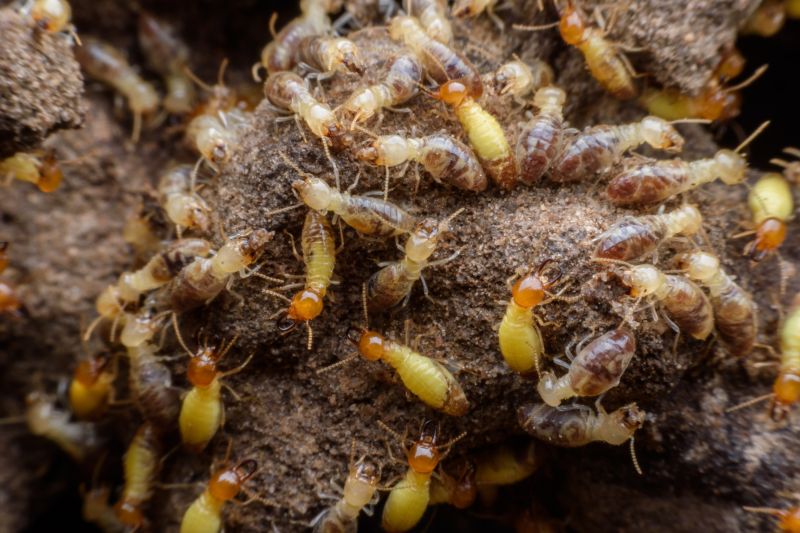
When comparing termite inspection services in the Houston area, it’s important to consider the experience of local contractors with similar projects. Homeowners should look for service providers who have a history of handling inspections in residential settings comparable to their own homes. An experienced contractor will understand the common signs of termite activity specific to the region and be familiar with local building structures. This familiarity can help ensure a thorough inspection and accurate assessment, reducing the chances of overlooked issues and providing peace of mind for homeowners.
Clear written expectations are essential when evaluating termite inspection services. Homeowners should seek out providers who can offer detailed descriptions of what the inspection will include, what homeowners can expect during the process, and any follow-up steps that might be necessary. Having this information in writing helps establish a transparent understanding of the scope of work and prevents misunderstandings. It also provides a basis for comparing different service providers to find one that communicates clearly and sets realistic expectations from the start.
Reputable references and effective communication are key factors in choosing a reliable termite inspection service. Homeowners are encouraged to ask for references or reviews from previous clients to gauge the quality of work and professionalism of local contractors. Good communication skills, including responsiveness and clarity, help ensure that questions are answered and concerns are addressed promptly. While the site introduces homeowners to local options for termite inspection services, it’s important to remember that the actual work is performed by independent service providers who can be contacted directly to discuss experience, expectations, and references.
Property owners in Houston, TX use Termite Inspection Service services for practical projects around their homes and businesses. This guide focuses on everyday jobs and straightforward project options.
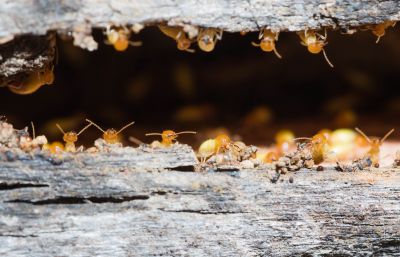
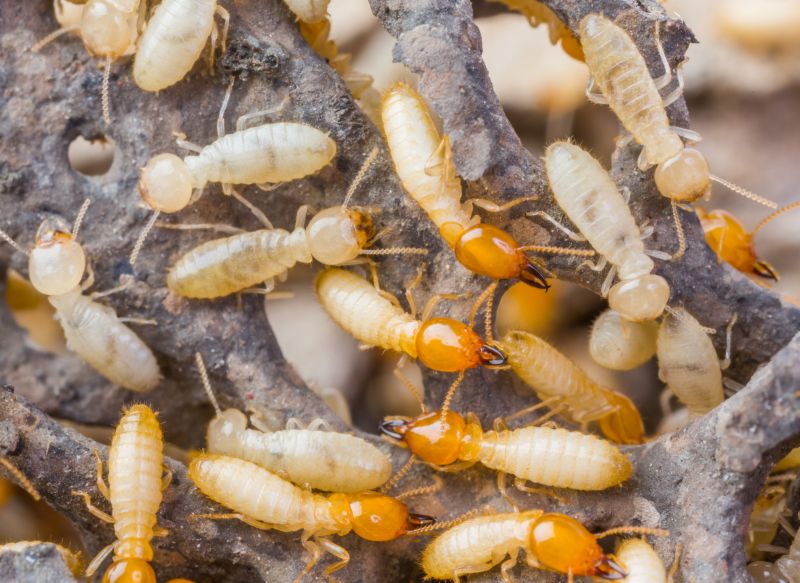
Homeowners in Houston, TX often seek termite inspection services when preparing to buy or sell a property, aiming to identify potential issues before they become costly repairs. Regular inspections are also common for those noticing signs of termites, such as damaged wood or discarded wings, especially in older homes or properties with previous pest problems. Local contractors can provide thorough evaluations to help property owners protect their investments and maintain the integrity of their homes.
Property owners may also look for termite inspections after experiencing unusual wood damage or discovering mud tubes around their property. In Houston’s humid climate, termites can be active year-round, making routine inspections an important part of ongoing home maintenance. Local service providers are available to perform these inspections, offering peace of mind and helping prevent larger pest issues from developing.
What does a termite inspection involve? A termite inspection typically includes a thorough examination of a property to identify signs of termite activity, such as damaged wood, mud tubes, or live insects, by experienced service providers in Houston and nearby areas.
Why should I schedule a termite inspection? Scheduling an inspection helps detect termite problems early, allowing homeowners to address potential damage before it becomes more extensive, with local contractors available to perform these assessments.
How often should a termite inspection be performed? It is generally recommended to have a termite inspection conducted annually or as advised by local service providers to maintain property protection against termite infestations.
What are common signs of a termite infestation? Common signs include hollow-sounding wood, discarded wings, mud tubes along walls or foundations, and damaged wood structures, which local termite inspectors are trained to recognize.
Can a termite inspection help prevent future infestations? Yes, regular inspections can identify early warning signs and help homeowners take preventive measures, with local contractors providing guidance on pest management strategies.
Early Detection of Termite Activity - property owners can schedule inspections to identify termite presence before significant damage occurs, especially in older or wooden structures.
Pre-Purchase Property Assessments - prospective buyers can request inspections to ensure a home is free of termites before completing a purchase.
Post-Construction Checks - new homeowners can have local contractors verify that their property remains protected from termites after construction is finished.
Ongoing Prevention Planning - property owners can use inspection services to develop regular maintenance routines that help prevent future termite infestations.
If you are thinking about Termite Inspection Service for a property in Houston, TX, this guide is meant to help you understand the work, the typical project types, and how different options might fit your plans.
When you are ready, you can use the quote form on this page to share a few details about your project. From there, local pros can review the basics and respond with options that match what you have in mind.